80 Days / SPOILER-LIGHT GUIDE
A first journey is a chance to learn how choices connect. You do not need a complete itinerary or a spoiler-heavy route sheet before leaving London.
Choose what success means for this run
The official game description combines a journey around the world with branching narrative choices. You can care about the time limit while still allowing room to discover the story. Decide whether this first attempt is mainly about learning the route system, exploring conversations or trying to finish promptly. A clear priority makes an imperfect choice less frustrating because it can still serve the purpose of the run.
Plan one useful step ahead
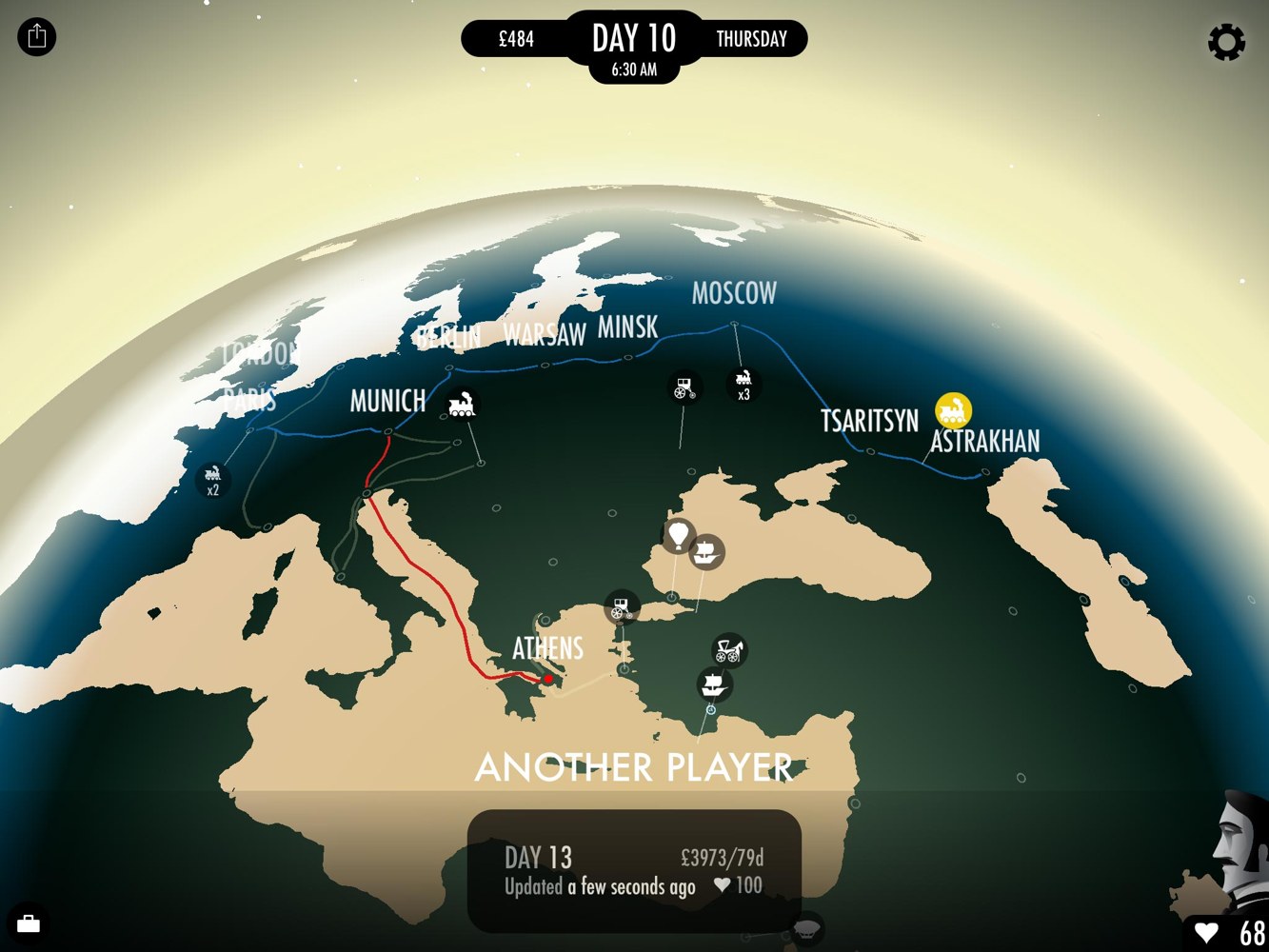
Look at the next available journey and what you expect to do after arriving. Avoid pretending that every later connection is already certain. A broad direction gives the trip shape without turning it into a rigid script. If the available information changes, revise the next leg rather than treating the entire attempt as ruined. The official mobile map image illustrates the planning view; it is not a recommended route to copy.
Leave room for the unfamiliar
A conversation or unexpected stop can become the part of the journey you remember. Before consulting a guide, ask whether you are genuinely blocked or simply uncertain about the consequences. Uncertainty is part of an interactive narrative. If you want help, look for an explanation of a system before an exact sequence of choices.
Keep a small after-journey note
At the end, record one route decision you would repeat, one you would change and one story thread you want to explore. Do not turn the first attempt into a complete checklist of missed content. A useful second journey begins with curiosity and a new question, not the pressure to correct every departure from an optimal route.